

Microneedling (Scalp) Gallery
$$MultiPurposeText$$
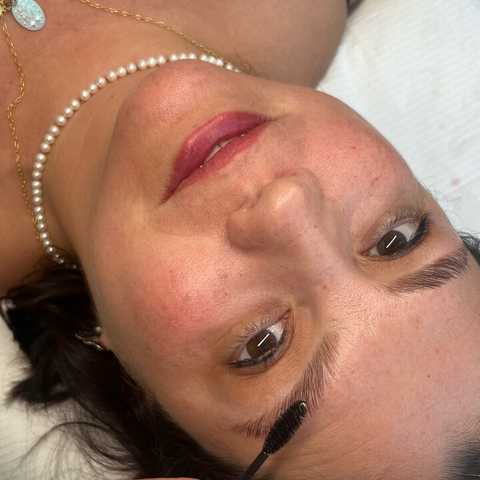
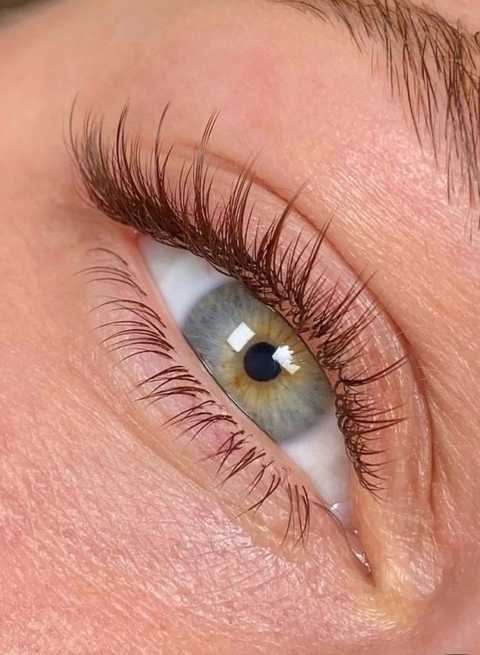
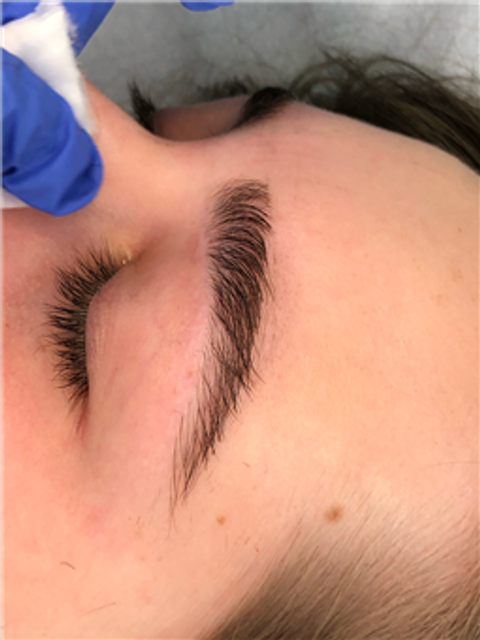
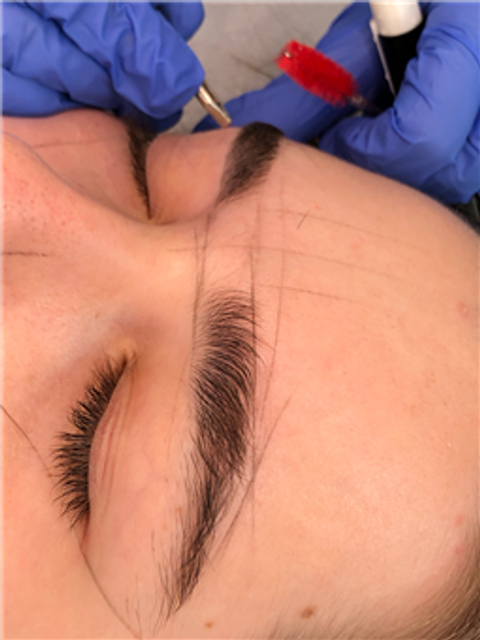
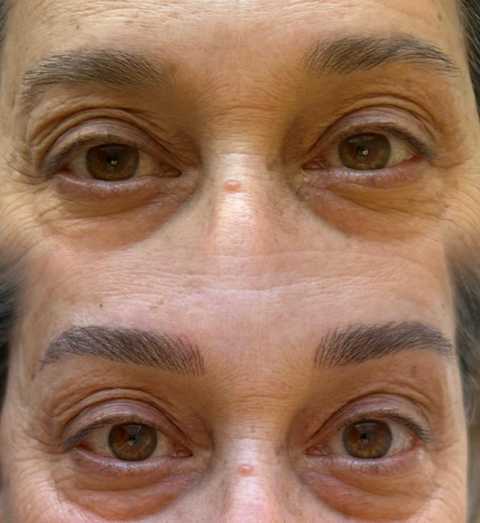
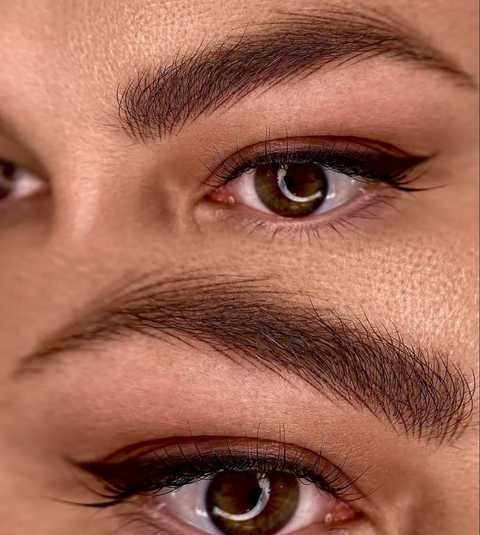
See examples of our Microneedling (Scalp) work and results.



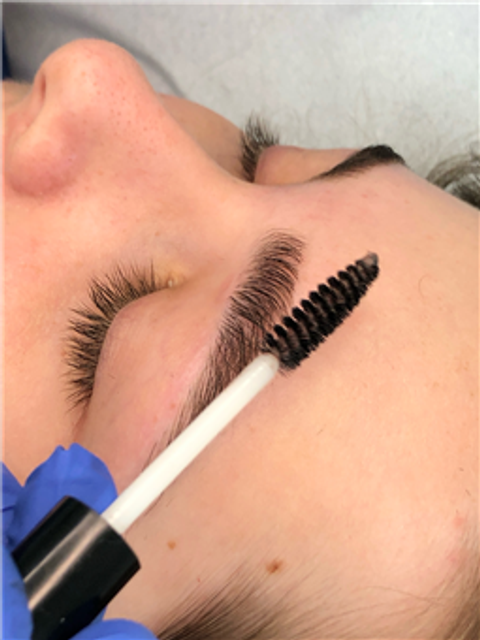
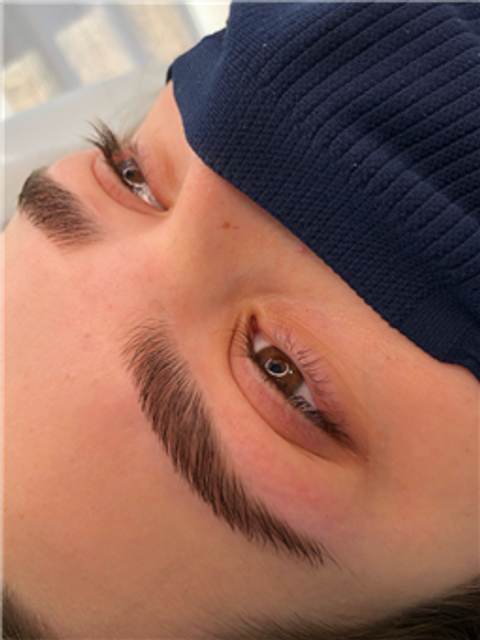


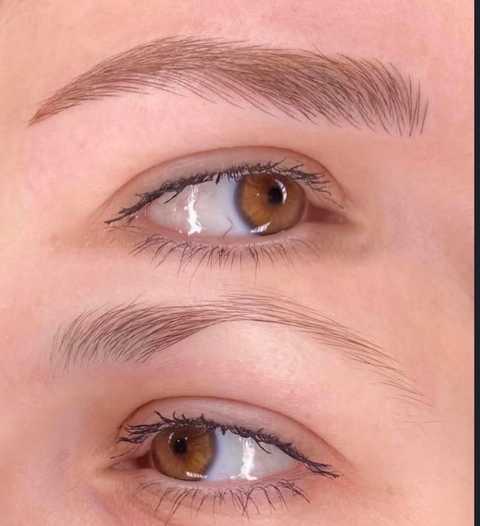




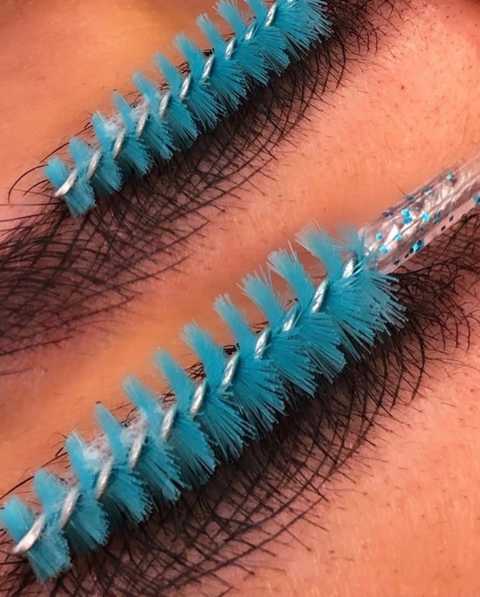





What Our Clients Say
$$MultiPurposeText$$
Read testimonials from our satisfied customers

Learned a lot and got things going fast and efficient. Making good use of my time. Thank y...more

I had great experience with the eyebrow class.karen and erica is amazing teachers. She mak...more

The esthetician was professional, gentle, and efficient. The studio was spotless and hygie...more

Such a great experience from start to finish! The staff was warm, the space was beautiful,...more

If you're looking for a place that truly delivers, this is it! The team at Signature Beaut...more

I absolutely loved my experience at Signature Beauty Clinic! From the moment I walked in, ...more

Frequently Asked Questions
Get answers to common questions about Microneedling (Scalp).
Most clients feel mild prickling and pressure; topical numbing minimizes discomfort. Expect redness and light swelling for 24–72 hours, with minimal downtime. Avoid vigorous exercise and hair treatments for a few days; follow aftercare to support healing and results.
Treatment plans vary, but most clients benefit from 4–6 sessions spaced four to six weeks apart. Maintenance sessions every 3–6 months help preserve results. We assess hair density, cause of loss, and response to tailor your personalized schedule.
Typical short-term side effects include redness, pinpoint bleeding, mild tenderness, and temporary flaking. Serious complications are rare when performed by trained professionals. Report signs of infection or prolonged discomfort so we can provide prompt care and adjust your treatment plan.
Microneedling can support many causes of thinning including androgenetic alopecia, telogen effluvium, and scarring alopecia when combined with targeted therapies. Results depend on underlying cause; we evaluate and recommend adjunctive treatments like PRP or topical serums for better outcomes.
Early changes like improved scalp texture and reduced shedding can appear within 4–8 weeks, while visible hair thickening typically takes 3–6 months as follicles cycle and new growth becomes noticeable.
Avoid blood-thinning medications, alcohol, and vigorous exercise for 48–72 hours prior. Arrive with clean, product-free hair. Discuss medications, allergies, and scalp conditions during consultation so we can customize settings and ensure a safe, effective treatment.